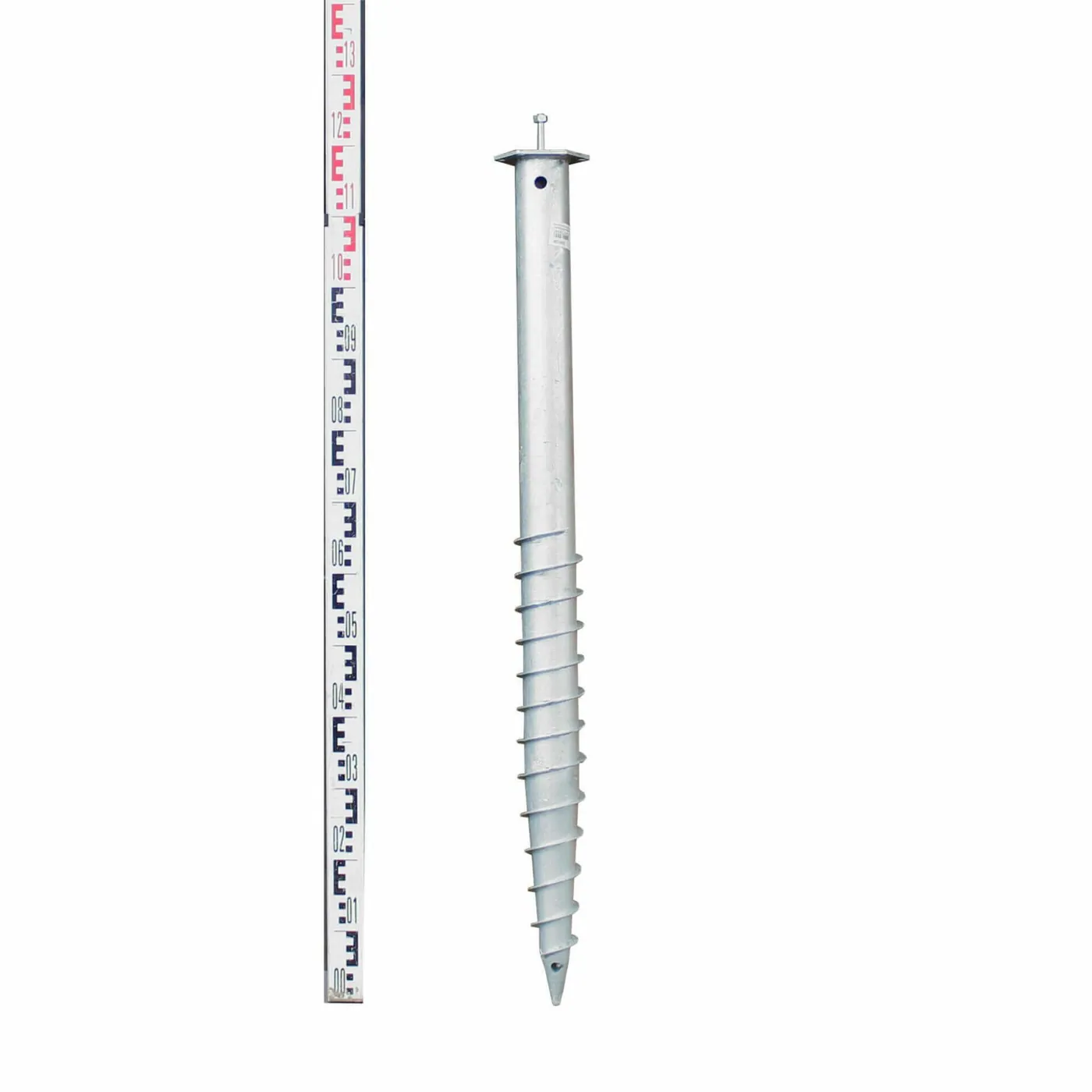
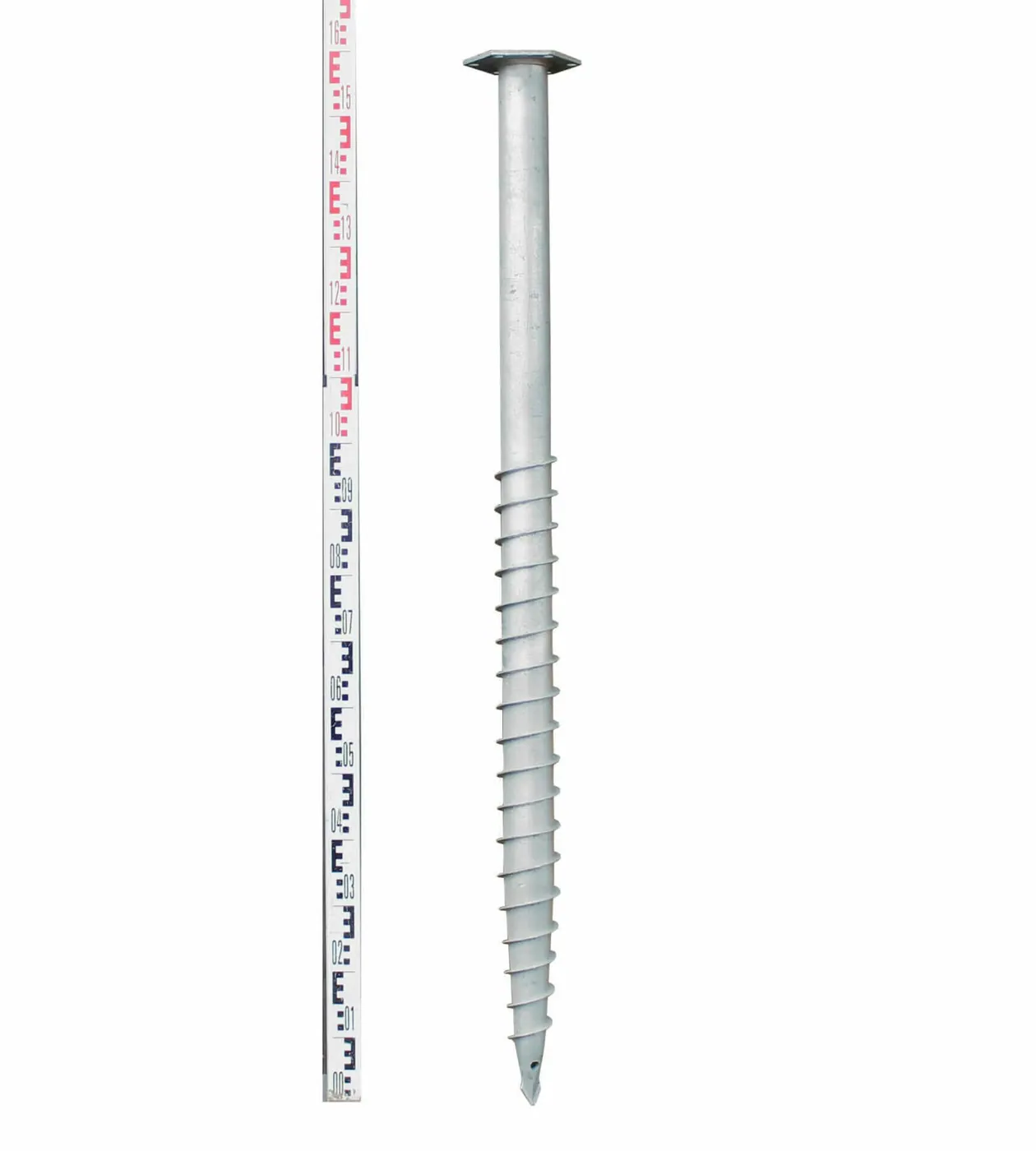
Clay soils in much of southern and eastern England shrink when they dry and swell when they get wet, and trees make the movement deeper. For a deck, use ground screws long enough to get the helix well below the seasonally moving top layer, keep away from large trees where you can, and test-drive or get an engineer's view on sites with high-shrinkage clay or recent tree removal.
Test the system on your next deck Request samples of the tapes, screws, pedestals and foundations mentioned in our guides.
Request samples →Much of south-east England, including London and the Thames valley, sits on clay. London Clay and similar soils are shrinkable: they lose water and shrink in a dry summer, then take water back and swell in a wet winter. Near the surface that movement can lift and drop anything built on it. Ground screws cope well with clay, but only if they are long enough and placed with the seasons and the trees in mind.
This guide explains the movement, what the house-building standards say about it and how that translates to a deck. It is general guidance; on difficult sites, talk to a structural engineer.
Why clay moves
Clay particles are tiny and hold water between them. When the soil dries, the water leaves and the clay shrinks and cracks; when it rewets, it swells. How much depends on the clay’s volume change potential, which engineers estimate from its plasticity. The movement is largest near the surface and dies away with depth.
Trees and large shrubs make it worse. Their roots pull water from the clay well below the surface, so a dry summer near a thirsty tree dries the soil deeper than usual. Felling a large tree has the opposite effect: the clay slowly takes water back and heaves upwards, sometimes for years.
What the standards say for houses
The NHBC Standards set minimum foundation depths for new homes on shrinkable soils. Outside the zone of influence of trees, they are:
| Clay volume change potential | Minimum foundation depth |
|---|---|
| High | 1.0 m |
| Medium | 0.9 m |
| Low | 0.75 m |
Within the influence of trees the depths increase, depending on the tree species, its mature height and its distance, and foundations deeper than 2.5 m must be designed by an engineer.
A garden deck is not a house. It is light, it is not tied to brickwork that cracks, and a few millimetres of seasonal movement is usually acceptable. But the figures are a useful guide to where the active layer is: the part of the screw that carries the load should sit below it.
Choosing ground screws for clay
- Length. On shrinkable clay, choose a screw that puts the helix comfortably below the seasonal layer. For most garden decks that means the longer screws in the range, such as 1200 to 1600 mm, rather than short piles. Extensions add length where the clay is soft near the top.
- Diameter. Firm clay grips well, so a 68 or 76 mm screw is usually enough for a deck; heavier structures need larger diameters and an engineer’s check.
- Trees. Keep screws as far from large trees as the layout allows. If the deck must go near a tree, or a tree has been removed in the last few years, ask an engineer.
- Wet clay. Very soft, wet clay gives low resistance. If the screw drives too easily, go longer or stop and get advice.
- Test first. On an unfamiliar site, drive one test screw. It shows resistance, depth to firm ground and hidden obstructions such as old footings or rubble.
Setting out on clay
Clay movement is uneven: one corner of a garden may be shaded and damp, another dry and close to a hedge. Adjustable heads let you set the frame level on the day, but they do not stop movement afterwards. Allow for it in the frame: keep joists continuous over supports where you can, avoid fixing the deck rigidly to the house wall on a site with active clay, and leave a small gap so the deck and house can move independently.
For general advice on screw length, diameter and load, read our guides on ground screw length and ground screw load capacity. For samples or a test screw for a UK site, email info@fastshifter.com.
Sources
Frequently asked questions
Do ground screws work in clay soil?
Yes. Firm clay gives good grip for a screw pile. The issue is not grip but seasonal movement in the top layer of shrinkable clay, so the screw needs enough length below that layer.
How deep does clay movement go?
It depends on the clay and on trees. For house foundations, NHBC sets minimum depths of 0.75, 0.9 or 1.0 m in shrinkable soils away from trees, depending on how much the clay can change in volume, and deeper within the influence of trees. A deck is far lighter than a house, but those figures show where the most active movement happens.
What about trees near the deck?
Trees draw water from clay and make it shrink further and deeper, especially in dry summers. Removing a large tree can cause the opposite: the clay rehydrates and swells for years. Keep screws away from large trees where possible and ask an engineer if a big tree has recently been felled.
Is a test screw worth it?
On an unfamiliar site, yes. Driving one screw shows the resistance, reveals obstructions and tells you whether the planned length reaches firm ground.